
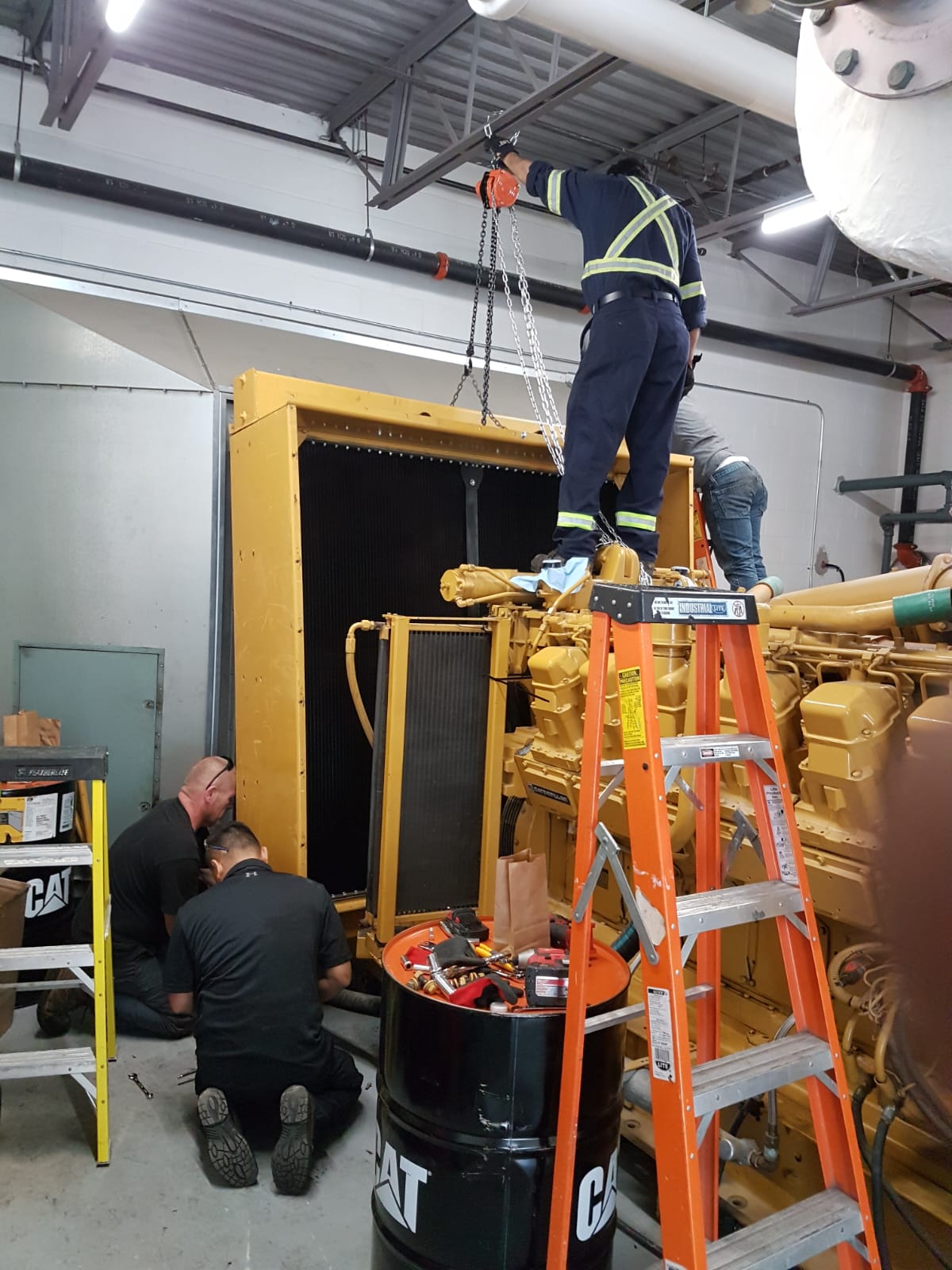
Generator Radiator Rebuilding in Canada Done Right the First Time
Generator radiator rebuilding is the process of fully disassembling an industrial radiator, replacing or repairing its internal core, reconditioning the end tanks, and pressure-testing the entire unit so your generator cools properly without buying a brand-new radiator.
At King Radiator HD Inc, we've been rebuilding generator radiators for over 57 years. We serve diesel and gas generator systems across Canada, from manufacturing plants and data centres to remote oil and gas sites. Every rebuild we do is built to handle continuous load, restore coolant flow, and stop overheating before it shuts your system down.
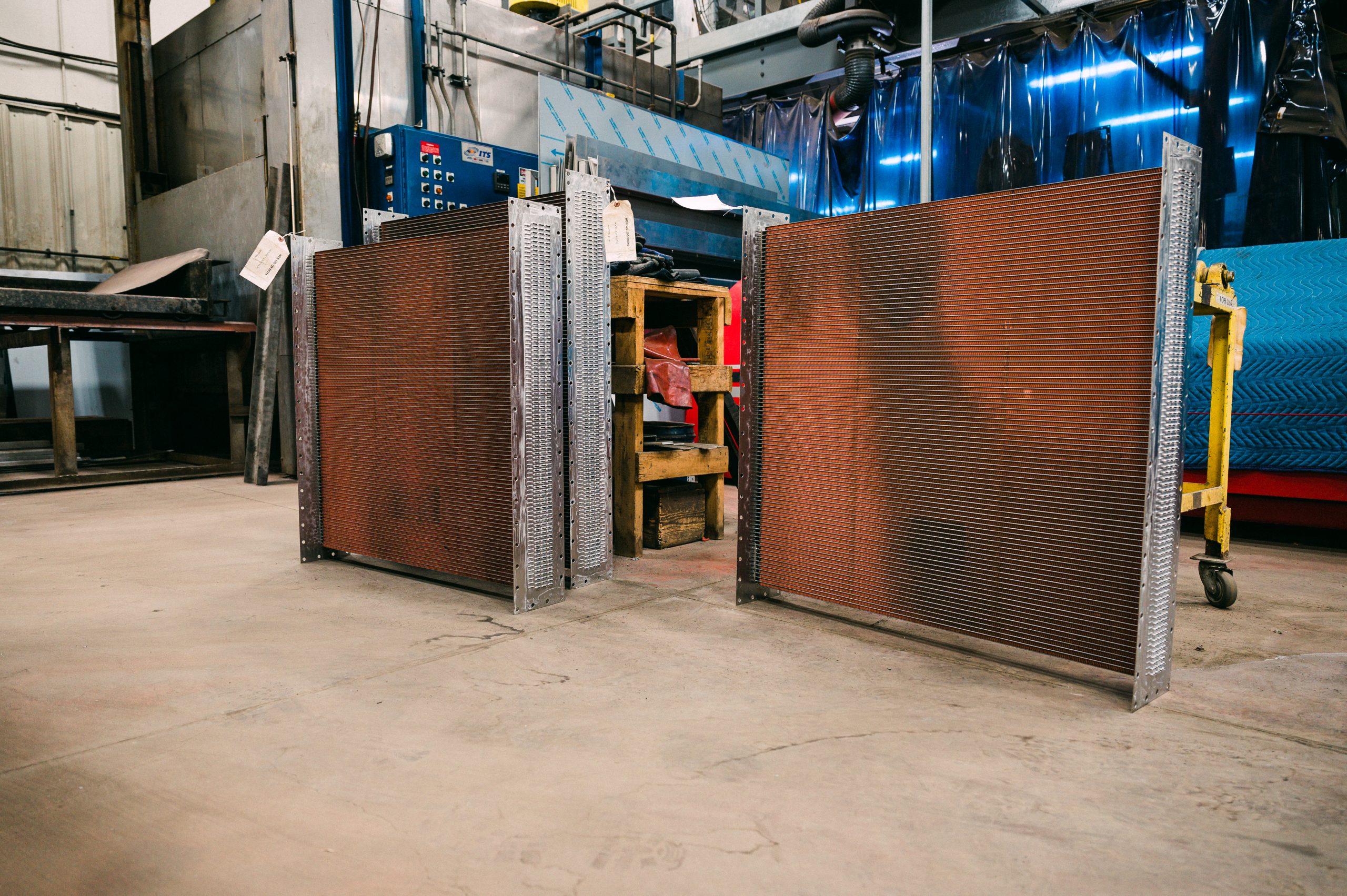
Canada-Wide Service Ontario to BC and Beyond
What Is Generator Radiator Rebuilding?
Generator radiator rebuilding is a full restoration of your generator's cooling system radiator. It is different from a basic repair. Instead of patching a leak or replacing one part, a rebuild addresses the entire unit core, tanks, seals, and pressure integrity from the inside out.
Here is what happens during a proper rebuild:
The radiator is taken apart completely. The internal core, the network of tubes and fins that transfers heat away from the engine is inspected, repaired, or fully replaced. The end tanks are reconditioned to handle pressure. Then the unit is pressure-tested under load conditions before it leaves our facility.
The result is a radiator that performs at 90 to 95 percent of original cooling capacity, without the long wait times or high cost of ordering a custom replacement unit.
Why does this matter for generator operators?
Industrial generators run for hours, sometimes days, under continuous load. Diesel generators used in hospitals, data centres, and mining operations cannot afford thermal failures. A rebuilt radiator that is properly tested and re-cored will keep coolant moving and prevent the kind of overheating that destroys engine blocks.
Is radiator rebuilding better than replacement?
In most cases, yes. Rebuilding keeps the original housing which means no custom fabrication, no long lead times, and no compatibility issues. For operators comparing generator radiator rebuilding vs replacement, rebuilding is often the more practical and cost-effective option when the radiator housing is still structurally sound.
How Do You Know If Your Generator Radiator Needs Rebuilding?
Most generator radiators don't fail all at once. They give you warning signs first and catching those signs early is the difference between a planned rebuild and an emergency shutdown.
Here are the most common signs your generator radiator needs professional attention:
01
Coolant leaks around the radiator core or tanks
If you see coolant pooling under the generator or wet stains around the radiator housing, the core or end tanks may be cracking under pressure. This is one of the most common reasons generators are brought in for a full rebuild.
02
Generator running hotter than its normal operating temperature
Every diesel generator has a safe operating temperature range. If your unit is consistently running above that range even under a standard load the radiator is not transferring heat the way it should. This is often caused by blocked coolant channels or a failing core.
03
Rust or corrosion on the radiator fins
Visible rust or scale buildup on the fins reduces heat transfer efficiency. Over time, corroded fins restrict airflow and allow heat to build up inside the system.
04
Discoloured coolant or sludge buildup
Coolant that looks brown, oily, or muddy is a sign of internal contamination. This usually means corrosion debris or oil contamination has entered the cooling circuit, which restricts flow and damages internal surfaces.
05
Pressure drops during load testing
If your generator's cooling system cannot hold pressure under simulated load conditions, there is likely an internal restriction, a weak core, or a developing crack in the tank structure.
06
Cracked radiator tanks
Plastic or metal end tanks that show visible cracks are a structural failure risk. They will get worse under heat and pressure cycles.
07
Repeated overheating alerts during operation
If your generator's overtemperature alarm is triggering repeatedly, do not keep resetting it. That alarm exists to protect the engine. A professional radiator inspection will tell you whether a rebuild is needed or whether the issue is elsewhere in the cooling circuit.
!
A quick note on timing:
Most generators that come to us with severe engine damage were running on a failing radiator for weeks or months beforehand. The warning signs were there — they just went unaddressed. A radiator rebuild costs a fraction of an engine overhaul. If any of the signs above look familiar, it is worth having the system inspected now.
How We Rebuild Generator Radiators Our 6-Step Process
Every radiator rebuild at King Radiator HD Inc follows the same structured process. We don’t cut corners on industrial cooling systems. This is how we do it:
Before anything is disassembled, we run a full diagnostic on the radiator. We test for leaks, check for blockages, measure heat transfer efficiency, and identify any structural damage to the core or tanks. This step tells us exactly what the unit needs whether that is a re-core, tank reconditioning, a full rebuild, or something in between.
We fully dismantle the radiator. Every component is cleaned to remove scale deposits, rust, old coolant residue, and any biological buildup that occurs in systems with contaminated coolant. We use industrial boil-out cleaning and hydrostatic flushing to clear internal passages before rebuilding begins.
This is the heart of the rebuild. We repair or fully replace the internal core using industrial-grade tube-and-fin or bar-and-plate construction materials. Every core we install is built to match or exceed the original manufacturer's heat transfer specifications. For custom industrial generators including Caterpillar, Cummins, Kohler, MTU, Perkins, and John Deere Power Systems units we manufacture replacement cores in-house.
The end tanks are repaired, reinforced, and reconditioned to handle the pressure demands of the rebuilt core. We repair crack damage using industrial-grade epoxy and structural welding where required, and we replace seals and gaskets as a standard part of every rebuild.
Before the radiator leaves our facility, we pressure-test the fully assembled unit under controlled conditions that simulate real operating loads. We test for leaks, confirm flow rates, and verify that the unit can hold pressure consistently. If it does not pass, it does not leave.
A final visual and performance inspection confirms the rebuild meets our industrial standards. We document the test results, package the unit for safe transport, and deliver it ready for reinstallation. For clients across Canada, we coordinate shipping to minimize downtime.
Most standard industrial generator radiators are rebuilt and tested within three to seven business days. Complex or heavily damaged units, or those requiring fully custom core fabrication, may take longer. We give you a clear timeline upfront, before the work begins.
How long does generator radiator rebuilding take?
Most standard industrial generator radiators are rebuilt and tested within three to seven business days. Complex or heavily damaged units, or those requiring fully custom core fabrication, may take longer. We give you a clear timeline upfront, before the work begins.
Generator Radiator Rebuilding vs. Full Replacement Which One Do You Need?
This is the most common question we hear from facilities managers and generator technicians. Here is a straightforward answer.
Choose rebuilding when:
- The radiator housing and frame are structurally sound
- The damage is limited to the core, tanks, or internal passages
- You need the unit back in service quickly
- You want to avoid custom-order lead times (often 2 to 6 weeks for industrial units)
- Your budget requires a cost-effective solution
Choose full replacement when:
- The radiator housing is physically crushed, bent, or destroyed
- The unit has suffered severe fire or chemical damage
- The original design no longer meets your generator's upgraded power output
- The radiator is so old that compatible parts cannot be sourced
| Factor | Radiator Rebuilding | Full Replacement |
|---|---|---|
| Typical cost | Lower save 40 to 60% | Higher upfront investment |
| Turnaround time | 3 to 7 business days | 2 to 6 weeks (custom order) |
| Environmental impact | Lower less material waste | Higher |
| Cooling performance | 90 to 95% of original | 100% (brand new) |
| Best for | Structurally sound housing | Severe or total damage |
| Lead time risk | Low | High (especially for older models) |
The honest answer: For the vast majority of industrial generator radiators we see, rebuilding is the right call. Full replacement makes sense in a minority of cases. A professional inspection will tell you which category your unit falls into and we will always give you a straight recommendation, not just the more expensive option.
How Do You Know If Your Generator Radiator Needs Rebuilding?
Most generator radiators don't fail all at once. They give you warning signs first and catching those signs early is the difference between a planned rebuild and an emergency shutdown.
Here are the most common signs your generator radiator needs professional attention:
Caterpillar (CAT)
including C9, C15, C18, C32, and C175 series diesel generators
Cummins
KTA, QSK, QST, and NT series industrial gensets
Kohler
industrial standby and prime power diesel systems
MTU (Rolls-Royce Power Systems)
Series 1600, 2000, 3000, and 4000 engines
Perkins
1100, 1300, 2000, and 4000 series diesel engines
John Deere Power Systems
PowerTech Plus industrial generator engines
Generac
industrial SD and SG series generator systems
Volvo Penta
TAD and TWD series industrial diesel gensets
We also service custom and OEM radiators for generator sets where off-the-shelf replacement units are no longer available. Our in-house manufacturing capability means we can fabricate cores and tanks to original spec or to updated specifications.
Types of generator systems we cover:
Diesel standby generator systems
Natural gas and propane generator systems
Prime power and continuous-duty generator sets
Emergency power systems (EPS) for hospitals and critical infrastructure
Portable and mobile diesel generator units
Paralleled generator configurations
Marine and offshore generator systems
Industries We Serve Across Canada
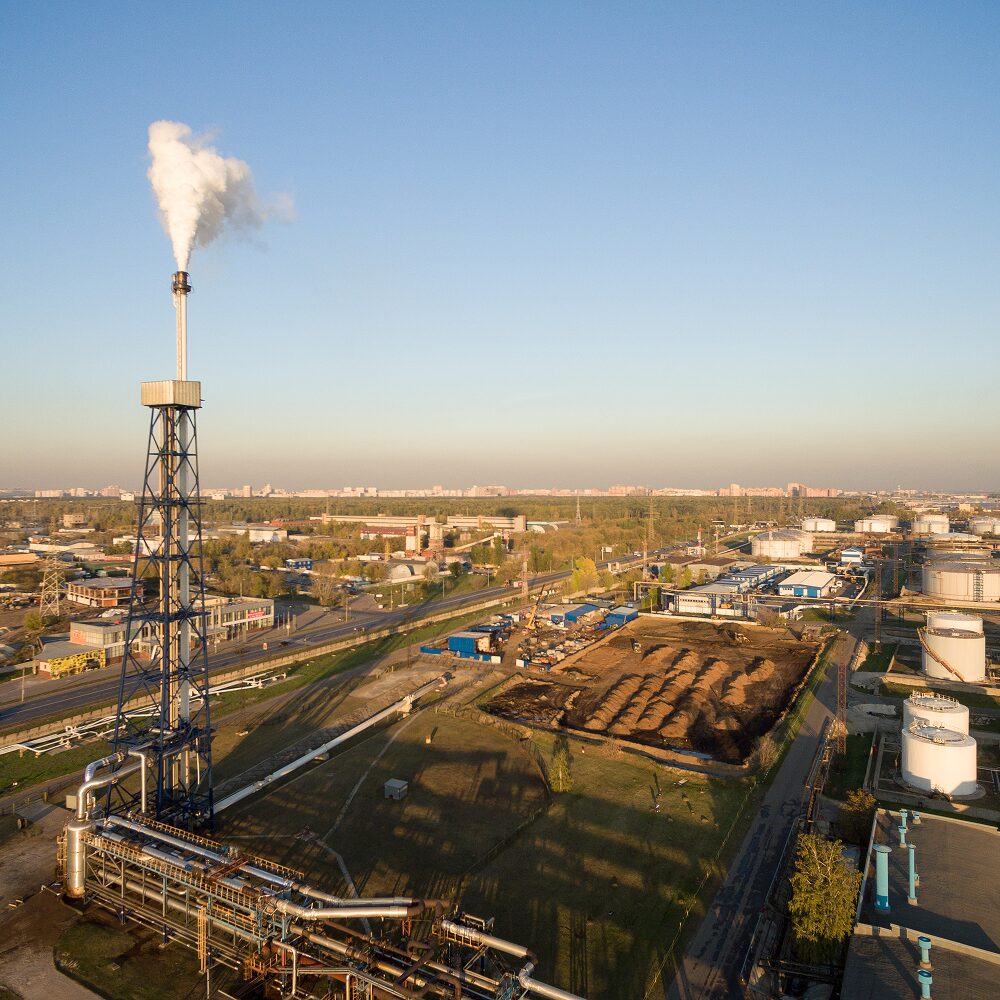
Oil and Gas Northern Alberta, Saskatchewan, BC
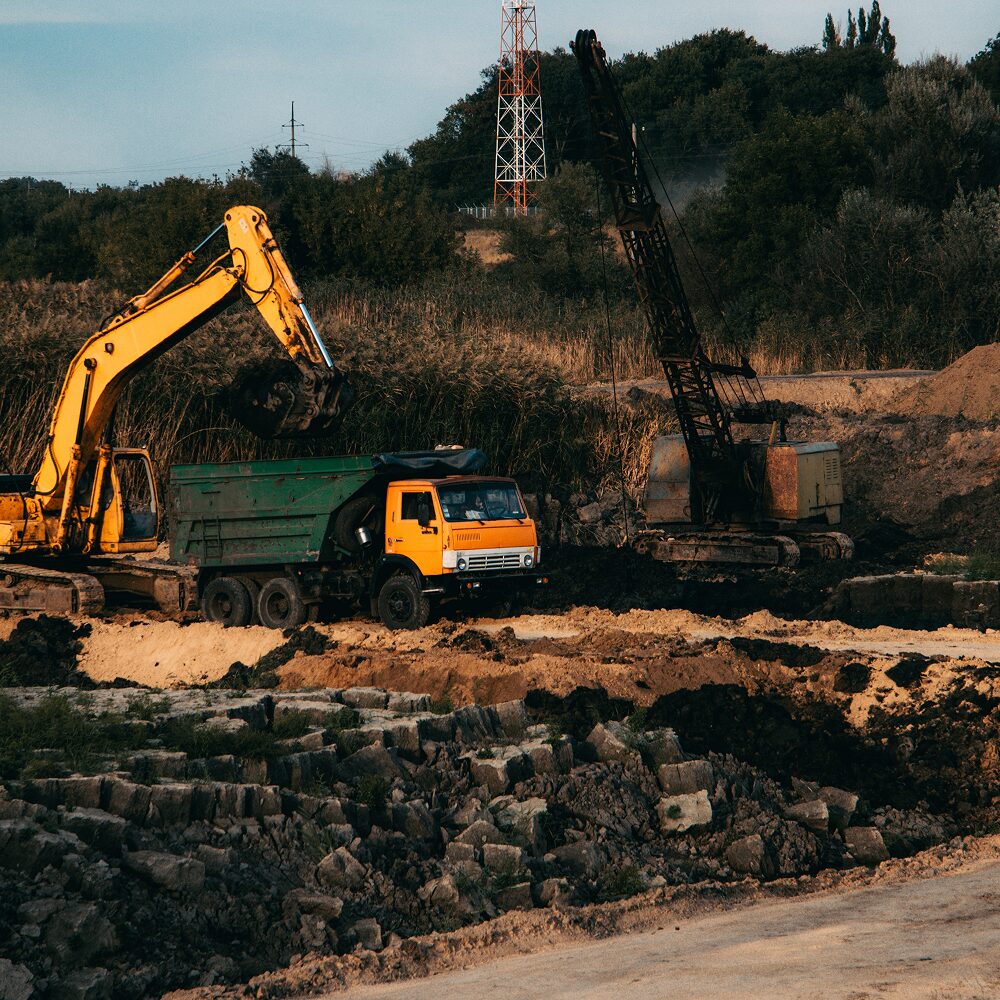
Mining Operations

Hospitals and Healthcare Facilities
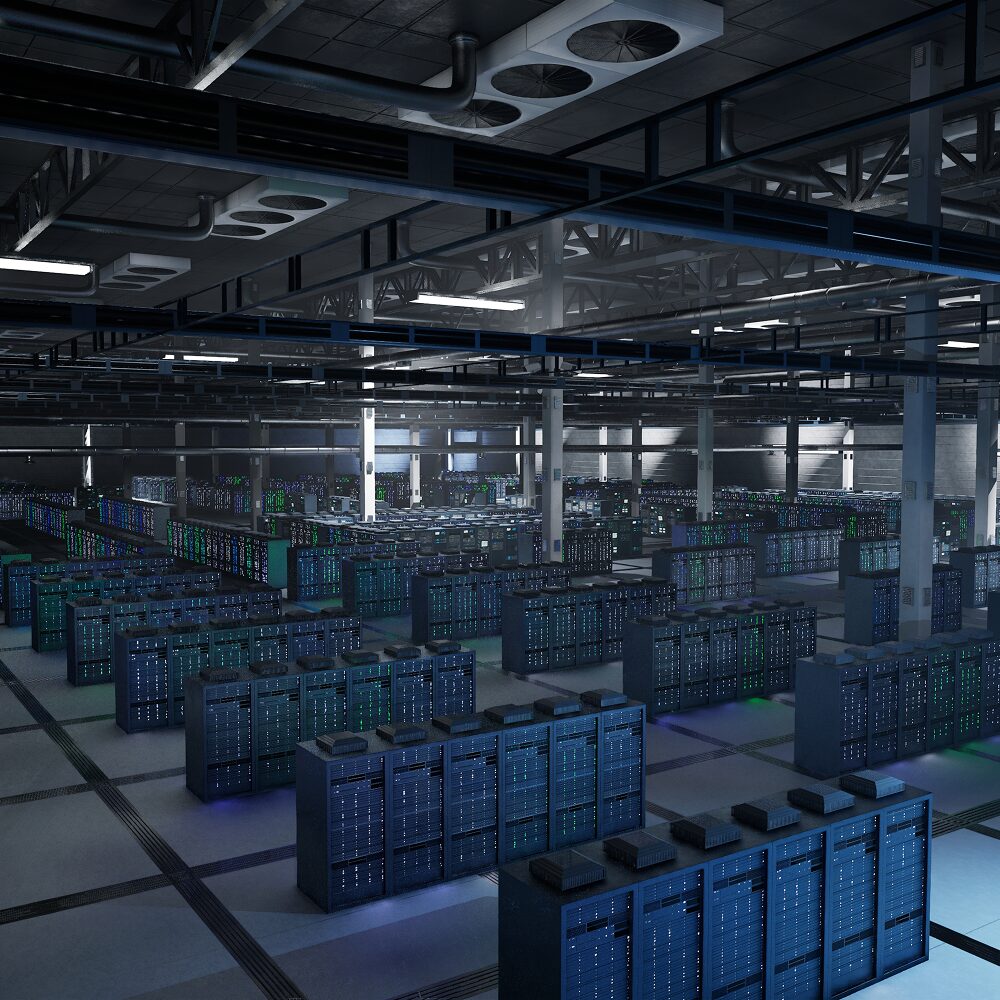
Data Centres and Server Farms

Municipal Infrastructure Water Treatment, Wastewater, Utilities
Pump stations, treatment plants, and electrical utilities across Canada maintain diesel backup generators. We serve municipal engineering departments with rebuilding services that meet infrastructure maintenance schedules.
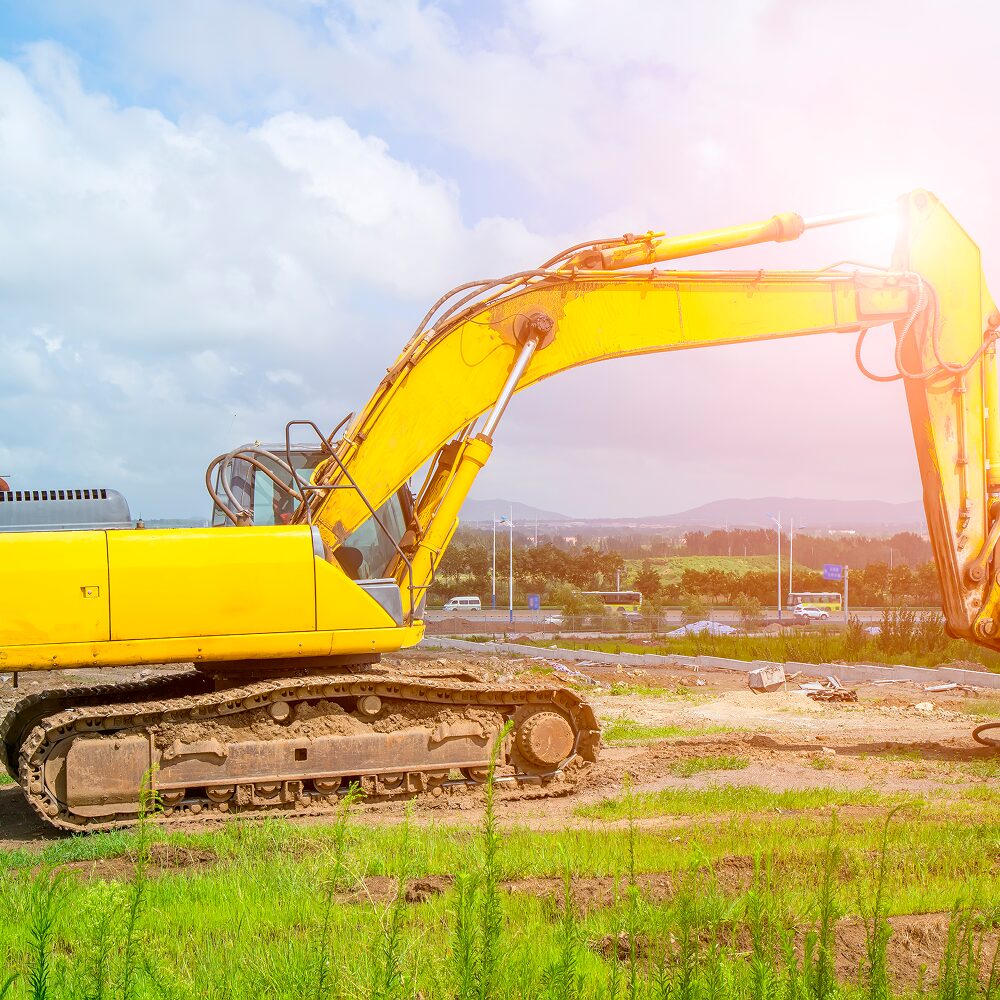
Construction and Heavy Equipment
Why Canadian Industrial Facilities Choose King Radiator HD Inc

57 Years of Focused Industrial Experience
We are not a general auto repair shop that also does industrial radiators. We specialize in heavy-duty and industrial cooling systems. That focus means our engineers understand the thermal demands, pressure requirements, and material considerations that industrial generator radiators and Heavy-Duty Truck Radiator systems face, especially in Canadian climate conditions.
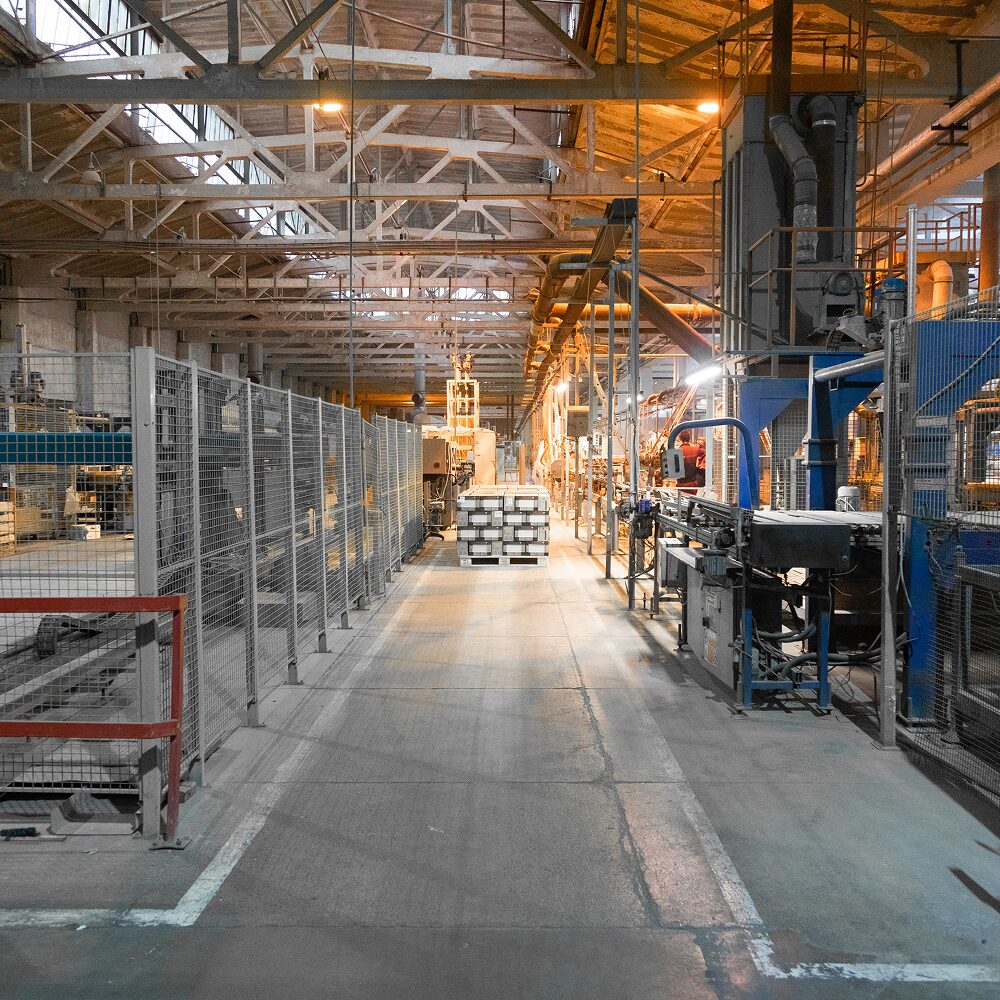
In-House Manufacturing
Most radiator shops source cores from third-party suppliers. We manufacture cores in-house. That means we control the quality, we can build to custom specifications, and we are not waiting on a supplier’s lead time when your generator is offline.

Load-Tested Before Every Delivery

Canada-Wide Service with Standardized Quality

Honest Assessment No Upselling
What our work includes as standard:
- Full disassembly and boil-out cleaning
- Core replacement or repair using industrial-grade materials
- Tank reconditioning and seal replacement
- Pressure and flow testing under simulated load
- Documented test results provided with every rebuild
- Packaging and delivery coordination across Canada

Understanding Generator Cooling Systems What Every Operator Should Know
If you manage or maintain diesel generators, understanding how the cooling system works helps you catch problems earlier and make better decisions when something goes wrong.
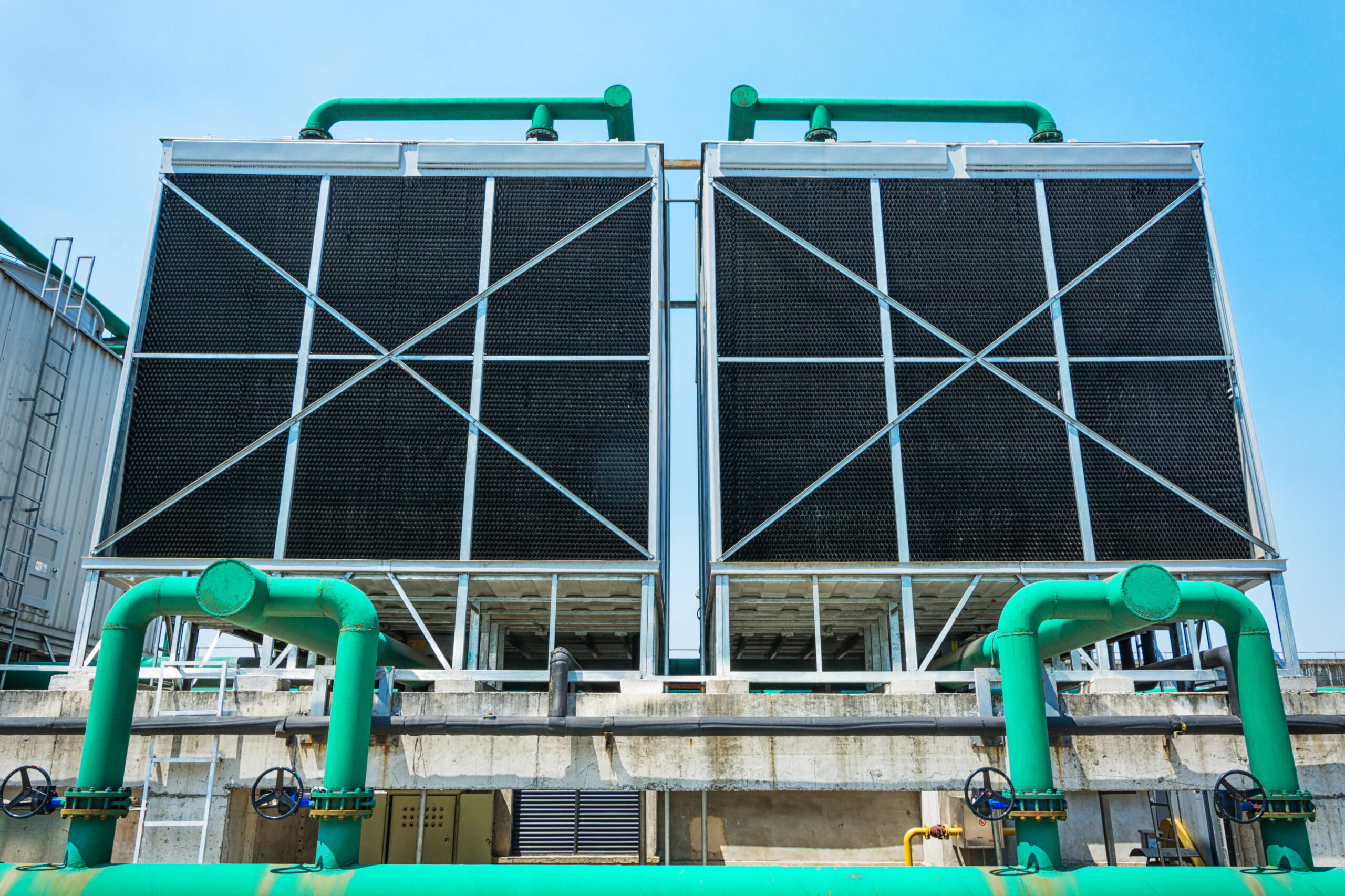
How a diesel generator's cooling system works
A diesel generator produces a significant amount of heat during operation sometimes more energy as heat than as electricity. The cooling system's job is to capture that heat through a liquid coolant circuit, carry it to the radiator, and release it into the surrounding air before sending the cooled liquid back through the engine.
The coolant is typically a mixture of ethylene glycol or propylene glycol antifreeze and water circulates continuously through the engine block, absorbs heat, and enters the radiator. Inside the radiator, the hot coolant passes through narrow tubes surrounded by metal fins. Air moving through those fins carries the heat away. The cooled coolant returns to the engine and the cycle repeats.
What goes wrong over time
Industrial diesel generators run harder and longer than vehicle engines. Over months and years of continuous operation:
- Coolant additives break down, losing their anti-corrosion properties
- Scale and mineral deposits build up inside coolant passages, restricting flow
- Electrolytic corrosion attacks the radiator core from the inside
- External fin damage and debris blockage reduce airflow
- Gaskets and seals degrade under heat and pressure cycles
When any of these conditions progress far enough, the radiator can no longer keep up with the generator's heat output and overheating follows.
Coolant maintenance and its effect on radiator life
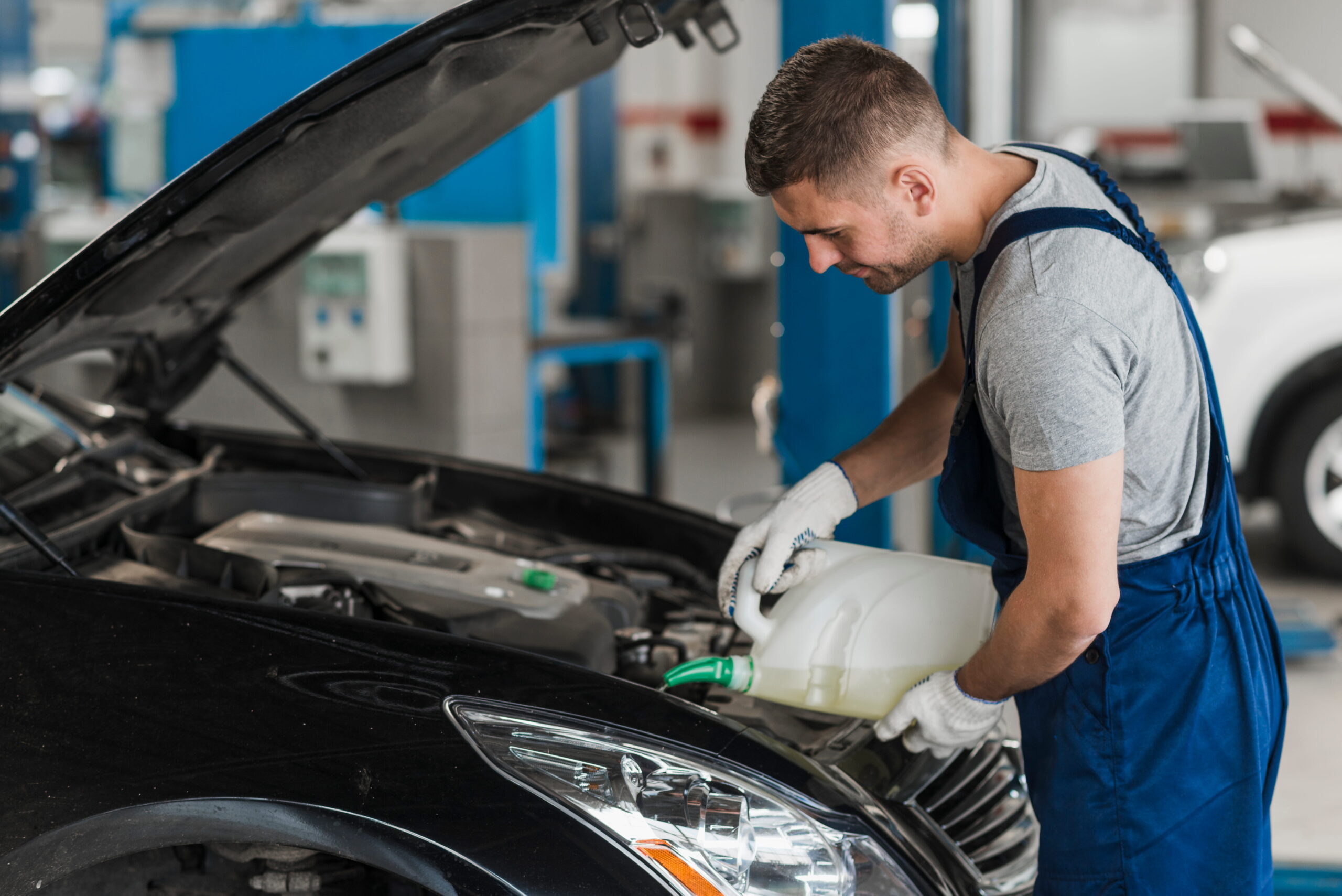
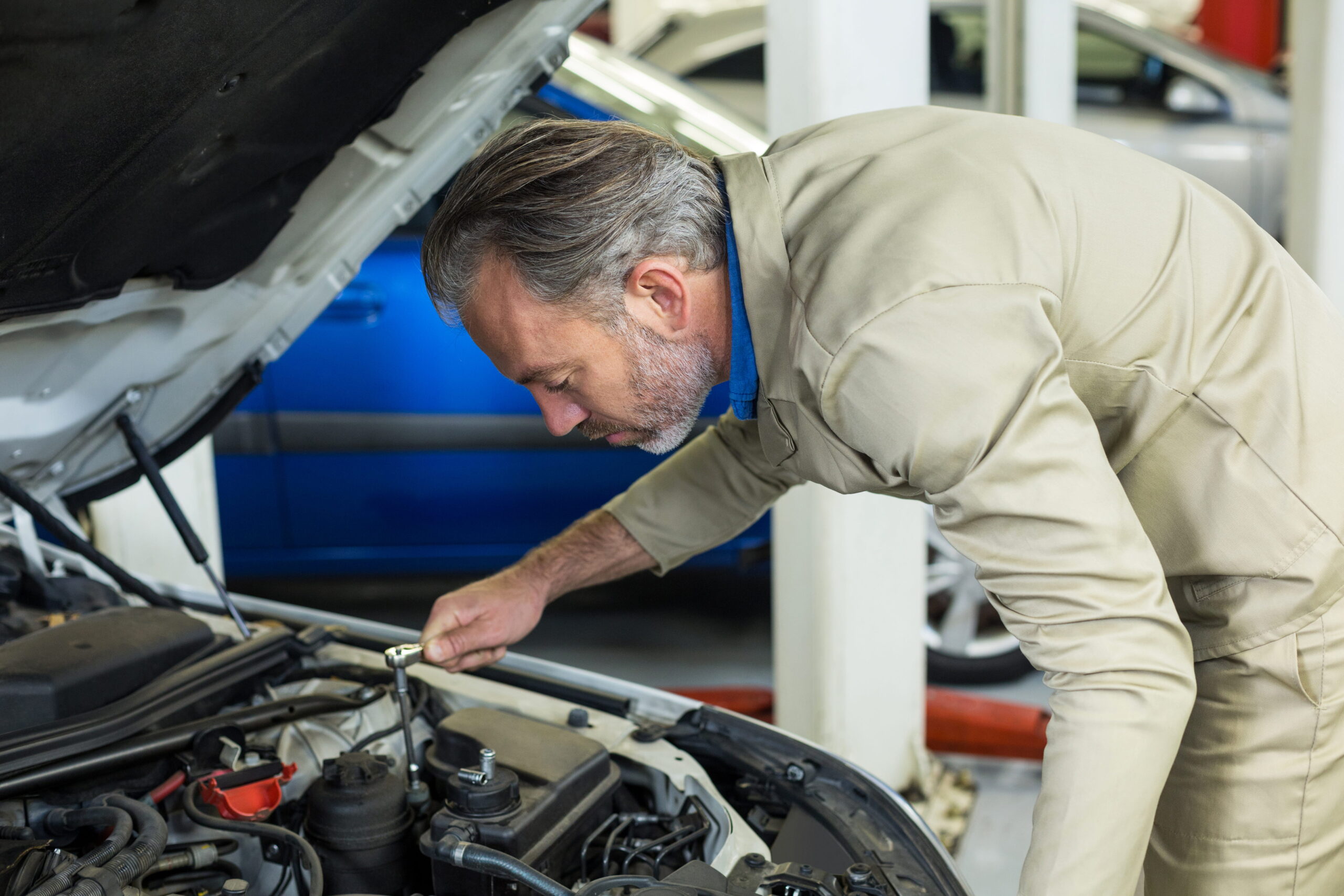
The most common cause of premature radiator failure in industrial generators is neglected coolant maintenance. Coolant that is not tested and changed on schedule becomes corrosive. It attacks the aluminium and copper components inside the radiator from the inside out, long before any external damage is visible.
Using the correct coolant type matters too. Modern diesel engines may require Organic Acid Technology (OAT) or Nitrite-OAT (NOAT) coolants. Using the wrong coolant can accelerate corrosion significantly.
A properly rebuilt radiator combined with a disciplined coolant maintenance program is the best investment a generator operator can make in long-term cooling system reliability.
Frequently Asked Questions Generator Radiator Repair in Canada
Yes: and in most cases, rebuilding is the better choice. During a full generator radiator rebuild, we replace or repair the damaged core, recondition the end tanks, replace all seals, and pressure-test the assembled unit. The original housing is kept in place, which eliminates the need for custom fabrication and significantly reduces lead time. Rebuilding is appropriate when the radiator housing is structurally sound and the damage is limited to internal components.
Generator radiator rebuilding in Canada typically costs between 900 and 4,000 CAD, depending on the radiator size, the extent of core damage, and whether full re-coring or partial repair is required. Large industrial units for high-capacity diesel generators — such as Caterpillar C32 or Cummins QSK series systems — may fall outside this range. In most cases, rebuilding saves 40 to 60 percent compared to purchasing and installing a full replacement unit. Contact us for a detailed quote based on your specific unit.
Most standard industrial generator radiators are rebuilt and ready for delivery in three to seven business days. Complex rebuilds involving custom core fabrication, severe corrosion damage, or large-format industrial units may take longer. We assess every unit on arrival and give you a realistic timeline before the work begins. Rush service may be available — call us to discuss your timeline.
The most common signs include: coolant leaks around the core or tanks, the generator running above its normal operating temperature, visible corrosion or rust on the radiator fins, discoloured or contaminated coolant, pressure drops during load testing, cracked end tanks, and repeated overtemperature alarms during operation. If you are seeing any of these warning signs, a professional inspection will confirm whether rebuilding, repair, or replacement is needed.
Radiator repair addresses a specific, localized problem such as a cracked tank section, a pinhole leak, or a small fin damage area. It is appropriate when the problem is isolated and the rest of the unit is in good condition.
Radiator re-coring involves removing the entire internal core while keeping the original end tanks and frame. A new core is installed and the unit is pressure-tested. This is done when the core is failing but the tank structure is sound.
Full radiator rebuilding includes complete disassembly, cleaning, core replacement or repair, tank reconditioning, seal replacement, and full pressure testing. It is the most thorough option and is used when multiple components have deteriorated or when the unit has a history of cooling problems.
A properly rebuilt generator radiator — using quality industrial-grade core materials and correct seals — can last anywhere from 8 to 15 years under normal industrial operating conditions. The actual service life depends on operating hours, coolant maintenance practices, and environmental conditions. Regular coolant testing and changes on schedule are the single most important factor in maximizing radiator life after a rebuild.
Yes. We rebuild generator radiators for all major industrial generator brands, including Caterpillar, Cummins, Kohler, MTU, Perkins, John Deere Power Systems, Generac, and Volvo Penta. We also handle custom and OEM units where replacement parts are no longer available from the original manufacturer. Our in-house manufacturing capability means we can build cores and tanks to custom specifications.
The correct coolant depends on your generator's engine type and the manufacturer's specifications. Most modern industrial diesel generators use either Organic Acid Technology (OAT) or Nitrite-OAT (NOAT) coolant formulations. Using the wrong coolant type — or mixing incompatible coolants — can accelerate internal corrosion and significantly reduce the life of your rebuilt radiator. We recommend verifying the coolant specification in your generator's service manual or contacting your engine manufacturer before refilling the system.
Yes, in many cases. Freeze damage typically causes cracked end tanks and sometimes core tube damage. If the internal damage is limited and the housing structure is intact, a re-core and tank reconditioning will restore the unit. In cases of severe freeze damage where the housing has been deformed, full replacement may be more practical. An inspection will determine which approach is appropriate.
Yes. All generator radiators rebuilt by King Radiator HD Inc are backed by a warranty covering workmanship and materials. [INSERT SPECIFIC WARRANTY TERMS — e.g., 12-month / 2,000 operating hours]. We stand behind our work because we manufacture our cores in-house and test every unit before delivery.
Yes. We provide generator radiator rebuilding services across Canada, including Ontario, Alberta, British Columbia, Quebec, Saskatchewan, Manitoba, Nova Scotia, New Brunswick, and beyond. We serve industrial clients in major centres including Toronto, Calgary, Edmonton, Vancouver, Winnipeg, Montreal, Halifax, and remote northern and resource extraction sites. Shipping and logistics are coordinated to minimize your generator's downtime.
After a radiator rebuild, we recommend: filling the system with the correct coolant type and mixture ratio, testing coolant pH and freeze protection at installation, checking coolant quality every 6 to 12 months or per your generator manufacturer's schedule, inspecting the radiator core and fins for debris annually, and verifying that the coolant recovery tank is clean and properly filled. Consistent coolant maintenance is the most effective way to extend the life of your rebuilt radiator.
Don't Wait for Your Generator to Overheat Get an Assessment Now
A generator cooling system that is struggling today will fail under load when you need it most. The cost of a radiator rebuild is a fraction of what engine overheating damage or an unplanned shutdown costs a facility.
King Radiator HD Inc has been solving industrial cooling problems across Canada for over 57 years. We rebuild generator radiators for diesel and gas systems of all sizes, serve clients from remote northern sites to urban industrial facilities, and back every rebuild with honest assessments and documented test results.
Contact us today for a free quote and assessment. Tell us your generator model, describe what you’re seeing, and we’ll tell you exactly what the unit needs with no guesswork and no upselling.