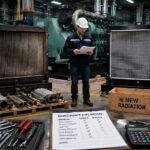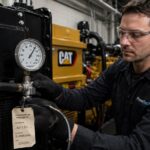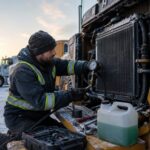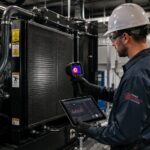
Heavy equipment overheating is usually caused by clogged radiator fins, low coolant, worn cores, or fan inefficiency and it can be prevented with early inspection and timely radiator repair.
The engine temperature needle gradually creeps higher than normal. At first, it’s easy to overlook, attributed to long shifts, dusty environments, or high ambient temperatures. Then, without warning, the alarm triggers, and what started as a small Cat Dozer overheating issue can quickly turn into costly downtime.
Hydraulic response slows, power output drops, and a machine that once supported the entire schedule becomes the reason operations come to a halt.
Overheating rarely occurs suddenly. It develops quietly, often due to issues like a clogged core or a weakening cooling system. By the time it becomes visible, downtime has already begun.
Effective radiator repair for heavy equipment is therefore not just about replacing components it’s about restoring operational reliability and control.
Heavy equipment overheats when engine heat output exceeds the cooling system’s capacity to remove it. The four most common causes are:
You’ve probably seen this pattern before. The machine runs fine under light load, but as soon as it’s pushed harder, temperatures spike. This isn’t random it’s a clear sign the cooling system is under strain.
Cat D6, D8, and D9 dozers overheat most often due to fin clogging from dust, internal core scaling, and fan underperformance under peak load usually as a combined chain reaction rather than one isolated fault.
Heavy-duty dozers operate in high-dust, high-load environments. Over time, radiator fins clog with fine debris that doesn’t wash out easily. Airflow drops, causing heat to remain trapped inside the system.
In some cases, internal scaling inside the radiator core quietly reduces efficiency. From the outside, everything may look intact, but internal damage can still exist, until the system suddenly fails under pressure.
Another overlooked issue is fan performance. A slightly underperforming fan can reduce airflow just enough to create overheating under peak load conditions.
That’s why Caterpillar radiator repair often focuses not just on cleaning, but on restoring full thermal performance. Sometimes that means re-coring. Other times, a full inspection reveals hidden inefficiencies across the system.
Komatsu PC200, PC300, and PC400 excavators develop radiator issues mainly from oil contamination, mud-blocked cores, and heat exchanger inefficiency, worsened by fluctuating duty cycles and extended idling.
Excavators like the Komatsu PC200 operate differently from dozers. Their duty cycles fluctuate constantly, which puts unique stress on the cooling system. With Komatsu PC200 radiator repair, technicians often encounter:
Another commonly overlooked issue is that excavators often operate at extended idle periods. This intermittent airflow reduces cooling efficiency, particularly when debris buildup is already present. So while excavator overheating might seem sudden, it’s usually been developing across multiple operating cycles.
A well-executed Komatsu radiator service doesn’t just address visible damage it restores balance across the entire cooling system.
Volvo A40 haulers overheat mainly from prolonged engine load on uphill hauls, restricted airflow in compact cooling layouts, and vibration wear on rough terrain, issues that build gradually rather than fail suddenly.
Machines like the A40 are built for endurance, but their cooling systems are constantly pushed to the edge. As part of heavy-duty Industrial Cooling Systems, Volvo A40 radiator service often focuses on common issues such as:
These issues aren’t sudden failures. Instead, they develop gradually due to wear and constant stress. Because haulers often operate in remote areas, even minor overheating issues can turn into major operational disruptions.
OEM cores match original equipment specifications, while quality aftermarket cores can match or exceed OEM performance at a lower cost, provided fin density and build quality are verified.
| Factor | OEM Cores | Quality Aftermarket Cores |
| Spec match | Exact match to original design | Varies verify fin density & materials |
| Airflow / heat dissipation | Standard, proven performance | Can exceed OEM with upgraded design |
| Cost | Typically higher | Often more cost-effective |
| Best for | Newer machines, warranty-sensitive fleets | Heavy-use fleets open to core upgrades |
Not all aftermarket solutions offer the same quality. Material quality, fin density, and build precision matter more than branding. The right decision often comes down to application heavy-use environments sometimes benefit from upgraded core designs rather than strict OEM replication.
Rebuild the radiator core if damage is limited to fins, scaling, or minor leaks. Replace it if there’s severe structural damage, advanced corrosion, or repeated repair failures.
A rebuild can restore full functionality at a fraction of replacement cost and reduces downtime when handled efficiently. Replacement becomes necessary when:
Rebuilding also allows customization, including core upgrades, improved materials, and better airflow design. It’s not just restoration; it can also be an upgrade.
Quick decision checklist:
Radiator repair cost depends mainly on core condition, machine model, and whether a rebuild or full replacement is needed.
| Symptom Pattern | Likely Cause | Early Warning Sign | Common Mistake |
| Gradual temp rise | Clogged fins | Reduced airflow | Ignoring cleaning cycles |
| Sudden overheating | Coolant loss | Steam or smell | Continuing operation |
| Overheating under load | Weak core | Normal idle temps | Misdiagnosing the engine issue |
| Intermittent spikes | Fan inefficiency | Uneven cooling | Replacing the wrong component |
When equipment goes down, every minute of downtime matters. Searching for a construction equipment radiator rebuild near me usually isn’t about convenience; it’s about urgency.
A delayed repair doesn’t just affect one machine. It disrupts schedules, labor allocation, and project timelines. Efficient radiator repair for heavy equipment focuses on:
In many cases, turnaround time becomes the deciding factor between repair providers.
There’s a tendency to treat overheating as an isolated issue. Many operators simply replace coolant, clean the radiator, and move on. But overheating often signals deeper inefficiencies.
According to the U.S. Department of Energy, improving heat exchange efficiency in industrial systems can significantly reduce energy losses and operational strain.
While that data applies broadly, the implication is clear for heavy equipment. Inefficient cooling systems don’t just risk overheating; they quietly increase wear, fuel consumption, and long-term maintenance costs.
Overheating doesn’t begin as a crisis; it starts with subtle warning signs. A slightly higher temperature reading, a slower response under load, or a gradual change in performance.
Ignoring those signals is what turns maintenance into downtime. Effective radiator repair for heavy equipment isn’t reactive. It’s preventative, strategic, and rooted in understanding how these systems behave under real-world conditions.
For operators and fleet managers, the goal isn’t just fixing overheating. It’s preventing the next one.
A strong service focuses on diagnostics, rebuild quality, and restoring full cooling efficiency rather than quick fixes.
Regular cleaning, monitoring temperature trends, and early inspection of airflow and coolant systems help reduce risks.
Watch for gradual temperature increases, reduced cooling under load, and visible debris buildup in radiator fins.
When overheating becomes consistent or performance drops, their expertise in heavy-duty systems can help restore efficiency quickly.
They handle radiator repair, custom manufacturing, heat exchanger servicing, and full cooling system solutions for industrial equipment.
Cost depends on core condition, machine model, and whether a rebuild or full replacement is needed. A diagnostic quote before starting work helps avoid unnecessary spend.
Yes. Rebuilds work well when damage is limited to fins, scaling, or minor leaks. Replacement is usually only needed for severe structural damage or repeated repair failures.
Turnaround depends on core condition and part availability, but efficient providers prioritize rapid diagnostics to minimize equipment downtime.
Look for oil contamination in the coolant, blocked cores from muddy job sites, and overheating that appears after extended idle periods.
Quality aftermarket cores can match or exceed OEM performance, provided fin density and materials are verified. Not all aftermarket options offer the same build quality.
Yes, on-site and photo-based diagnostics are available to assess core condition before committing to a rebuild or replacement.
Stay cool, stay running. Trust King Radiator HD Inc call now.